
Embarking on the journey of exploring the essential qualities to seek in a mobile electrician in the UK market, this introductory paragraph aims to intrigue and inform readers about the key aspects to consider.
Delving further into the realm of mobile electricians, we uncover the skills, training, safety practices, and tools that shape the landscape of this profession.
Qualities of a Mobile Electrician
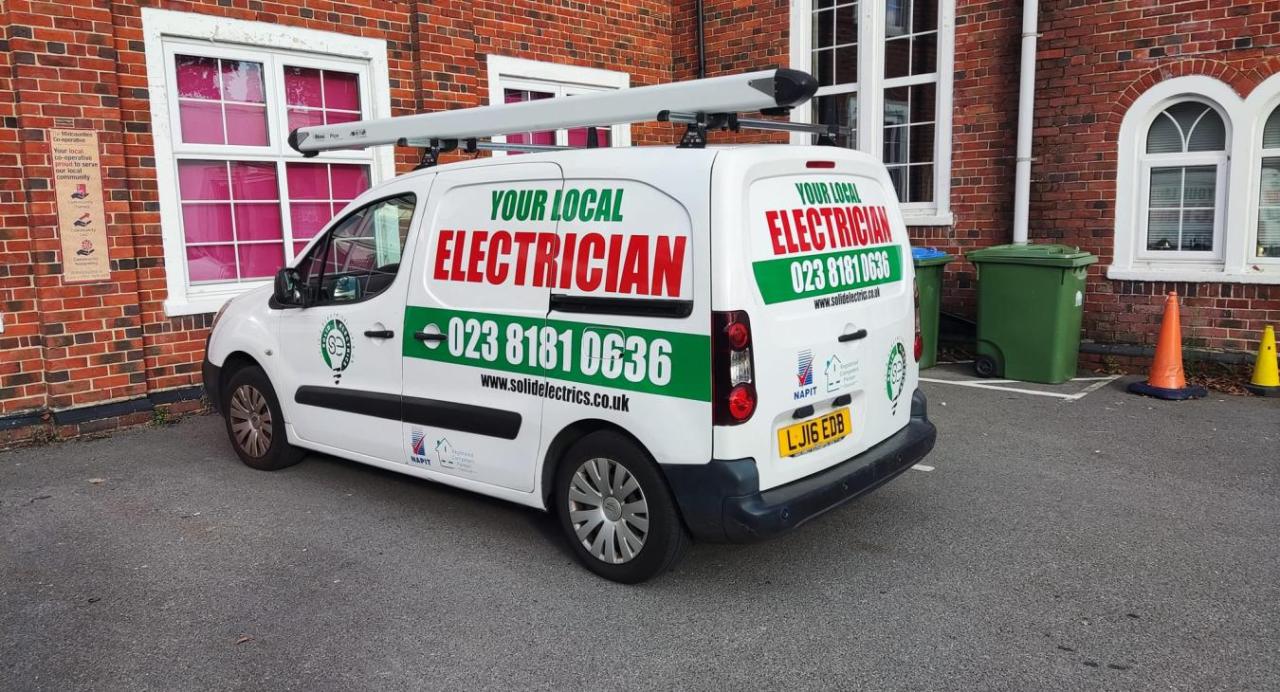
Mobile electricians play a crucial role in ensuring the safety and functionality of electrical systems in various locations. To excel in this profession, certain qualities are essential to possess.
Essential Skills Required
- Technical Knowledge: A mobile electrician must have a strong understanding of electrical systems, wiring, and components to diagnose and repair issues efficiently.
- Problem-Solving Abilities: The ability to identify and resolve electrical problems quickly is vital in this role to ensure the safety of clients and prevent potential hazards.
- Communication Skills: Effective communication with clients to understand their concerns and explain the necessary repairs or solutions is key to providing excellent service.
Importance of Problem-Solving Abilities
Mobile electricians often encounter complex electrical issues that require quick thinking and problem-solving skills to address effectively. Being able to troubleshoot and find solutions promptly not only saves time but also ensures the safety of the electrical systems and those using them.
Necessity of Being Detail-Oriented
Attention to detail is crucial for mobile electricians as even small oversights can lead to serious consequences in electrical work. From correctly wiring circuits to ensuring all connections are secure, being detail-oriented helps in delivering high-quality and safe electrical services to clients.
Training and Certification
When it comes to becoming a mobile electrician in the UK, there are specific training and certification requirements that one must meet to ensure they have the necessary skills and knowledge to perform the job safely and efficiently.
Training and Certification Requirements
- Completion of a Level 3 NVQ diploma in Installing Electrotechnical Systems and Equipment (Buildings, Structures, and the Environment).
- Obtaining a City & Guilds qualification in Electrical Installation Work within the UK.
- Gaining practical experience through an apprenticeship or on-the-job training under the supervision of a qualified electrician.
Certification Programs
- City & Guilds: This is a widely recognized certification program that offers various levels of qualifications for electricians, from beginner to advanced.
- NICEIC Certification: The National Inspection Council for Electrical Installation Contracting provides certification for both individual electricians and electrical contractors.
Specialized Training
- 18th Edition Wiring Regulations: Keeping up to date with the latest wiring regulations is crucial for mobile electricians to ensure they are working in compliance with industry standards.
- EV Charging Point Installation: With the rise in popularity of electric vehicles, specialized training in installing EV charging points can be beneficial for mobile electricians looking to expand their services.
Safety Practices
Ensuring safety in the electrical industry is paramount to prevent accidents, injuries, and even fatalities. Mobile electricians must adhere to strict safety standards to protect themselves, their clients, and the property they work on.
Specific Safety Protocols for Mobile Electricians
- Always wear appropriate personal protective equipment (PPE) such as gloves, safety glasses, and non-conductive footwear.
- Verify that the electrical systems are de-energized before starting any work to avoid electric shocks.
- Properly lockout and tagout electrical equipment to prevent accidental energization while working on it.
- Follow the National Electrical Code (NEC) guidelines and local regulations for electrical installations and repairs.
- Regularly inspect and maintain tools and equipment to ensure they are in good working condition.
Importance of Safety Training
Safety training plays a crucial role in preventing accidents and ensuring the well-being of both the electrician and the client. By undergoing proper safety education, mobile electricians can recognize potential hazards, respond to emergencies, and mitigate risks effectively.
Tools and Equipment
Mobile electricians require a specific set of tools and equipment to effectively carry out electrical work on the go. These tools not only help in diagnosing and fixing electrical issues but also ensure the safety of the electrician and the clients.
Essential Tools and Equipment
- Multimeter: Essential for measuring voltage, current, and resistance in electrical circuits.
- Wire Strippers: Used to strip insulation from wires for connections.
- Screwdrivers: Both flathead and Phillips screwdrivers are necessary for various electrical fittings.
- Pliers: Including needle-nose pliers and lineman's pliers for gripping and bending wires.
- Tape Measure: Useful for measuring distances and ensuring accurate installations.
- Circuit Tester: Helps to identify live wires and test for circuit continuity.
Advancements in Technology
With advancements in technology, mobile electricians now have access to more sophisticated tools such as thermal imaging cameras, power quality analyzers, and smart diagnostic tools. These tools make it easier to detect faults, analyze power consumption, and troubleshoot complex electrical systems efficiently.
Improving Efficiency and Quality of Work
Having the right tools can significantly improve the efficiency and quality of work for a mobile electrician. Proper tools not only speed up the diagnosis and repair process but also ensure that the work is done accurately and safely. Investing in high-quality tools and staying updated with the latest technological advancements can set a mobile electrician apart in terms of service quality and customer satisfaction.
Closing Notes
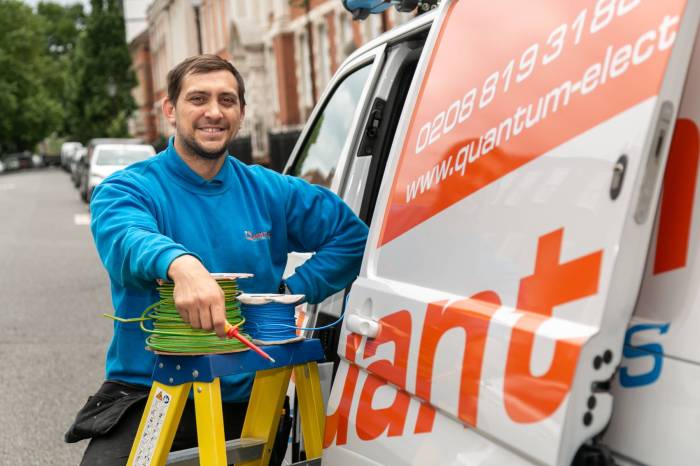
In conclusion, the discussion surrounding the qualities of a mobile electrician sheds light on the critical factors to prioritize when seeking reliable electrical services. With safety, efficiency, and expertise at the forefront, choosing the right professional becomes a seamless process in the UK market.
FAQ Explained
What are the essential skills required for a mobile electrician in the UK?
Key skills include strong problem-solving abilities, attention to detail, and excellent communication skills to ensure effective service delivery.
What are the typical training and certification requirements for mobile electricians in the UK?
Training usually involves completing an apprenticeship program and obtaining relevant certifications such as City & Guilds or NVQ Level 3.
How can safety training benefit both the electrician and the client?
Safety training ensures that the electrician follows proper protocols, reducing the risk of accidents and ensuring the well-being of both the worker and the client.